One plant group, several jobs
Here, bioeconomy means using biological resources and processes to provide products and services. Duckweed fits this picture because its growth involves taking up nutrients from its surroundings. What this can become in practice depends on the species, the incoming water and the intended product.
A water-treatment system addresses different questions from a food crop. In the first case, changes in water quality are central. In the second, the properties and safety of biomass intended for consumption also matter. Both applications can be scientifically interesting without following the same path into use.
Circular thinking needs clear boundaries
The circular-economy idea is attractive: nutrients should not be wasted if they can be used productively. But a loop is not beneficial merely because substances circulate within it. Unwanted components can circulate too. The origin and quality of each material stream therefore remain important.
In particular, biomass grown in polluted water cannot automatically become a food ingredient. The uptake of useful nutrients answers no questions about possible contamination. Environmental and food applications each need assessment for their intended purpose. Sustainability and product safety belong together.
Species selection is more than a botanical detail as well. Duckweed is a shared name for different species with different properties. Findings from one do not necessarily establish the same outcome in another. Diversity offers opportunities for suitable applications, rather than a basis for universal performance claims.
From a concept to a supported application
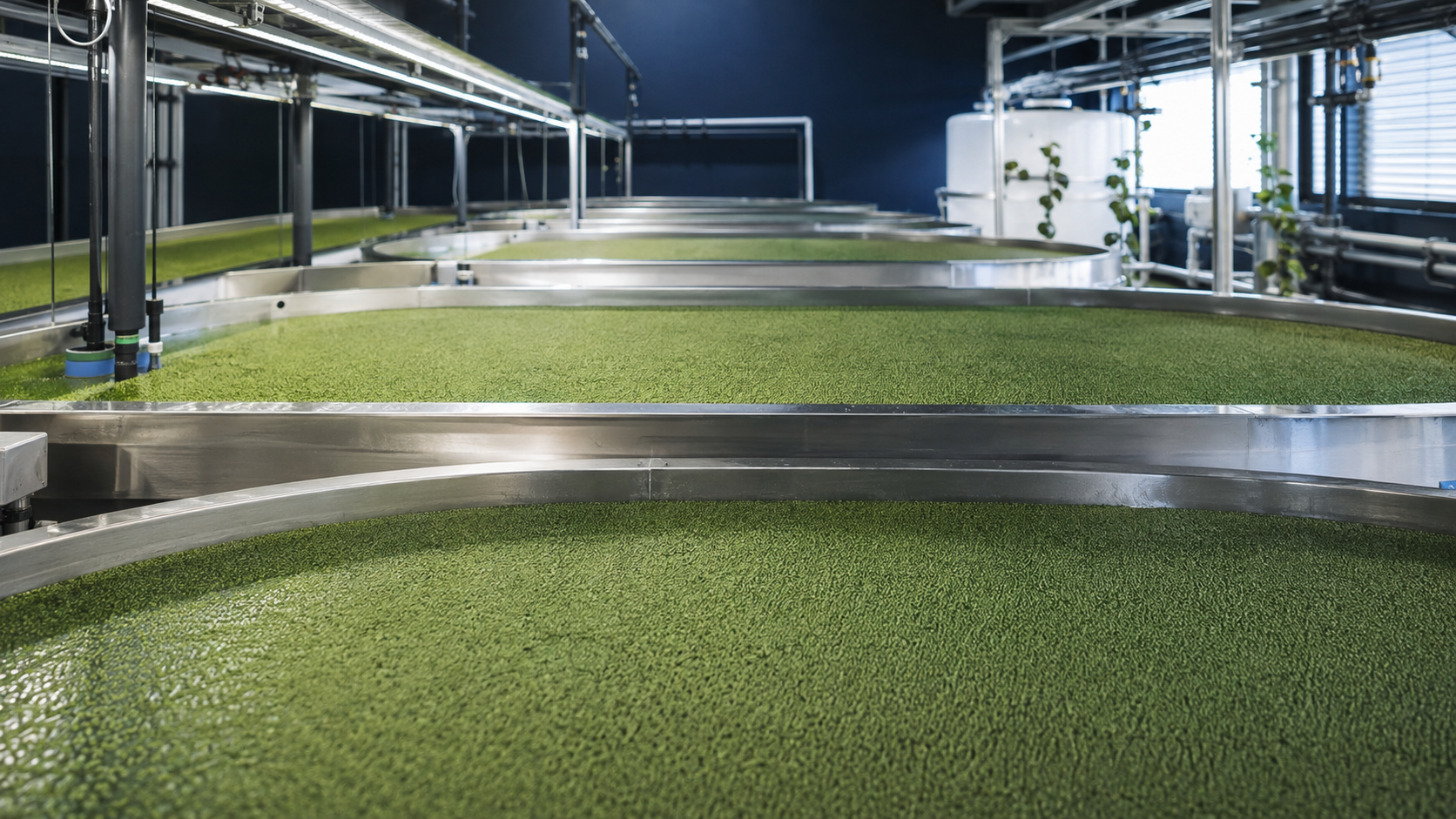
SERAPH's company website provides one example of how the sector discusses these possibilities. It describes adaptive cultivation and distinct routes for different end uses, while presenting development goals and early work. This is evidence of a company's perspective, rather than independent verification of its performance.
With emerging technologies, it helps to distinguish an idea, an experiment and sustained operation. A system illustration explains a proposed design. A documented experiment provides initial data. Further experience is needed to establish reliability under changing conditions. Each of these stages has value on its own terms.
Rapid plant growth is also insufficient to establish the economic case. Harvesting, processing and the quality of the eventual product belong in the assessment. Whether an approach is useful therefore depends on its intended application. An advantage at one stage does not necessarily determine the whole process.
What meaningful progress looks like
The most useful developments connect these questions transparently. Which species was investigated? What material stream was used? Which application has actually been tested, and which remains an ambition? Clear answers help readers distinguish research results, company plans and existing practice.
Duckweed may become a versatile component of biological value chains. The interesting story is less about one plant solving everything than about finding suitable combinations of biology, process and application. Progress becomes visible as the evidence supporting a particular use grows more reliable.